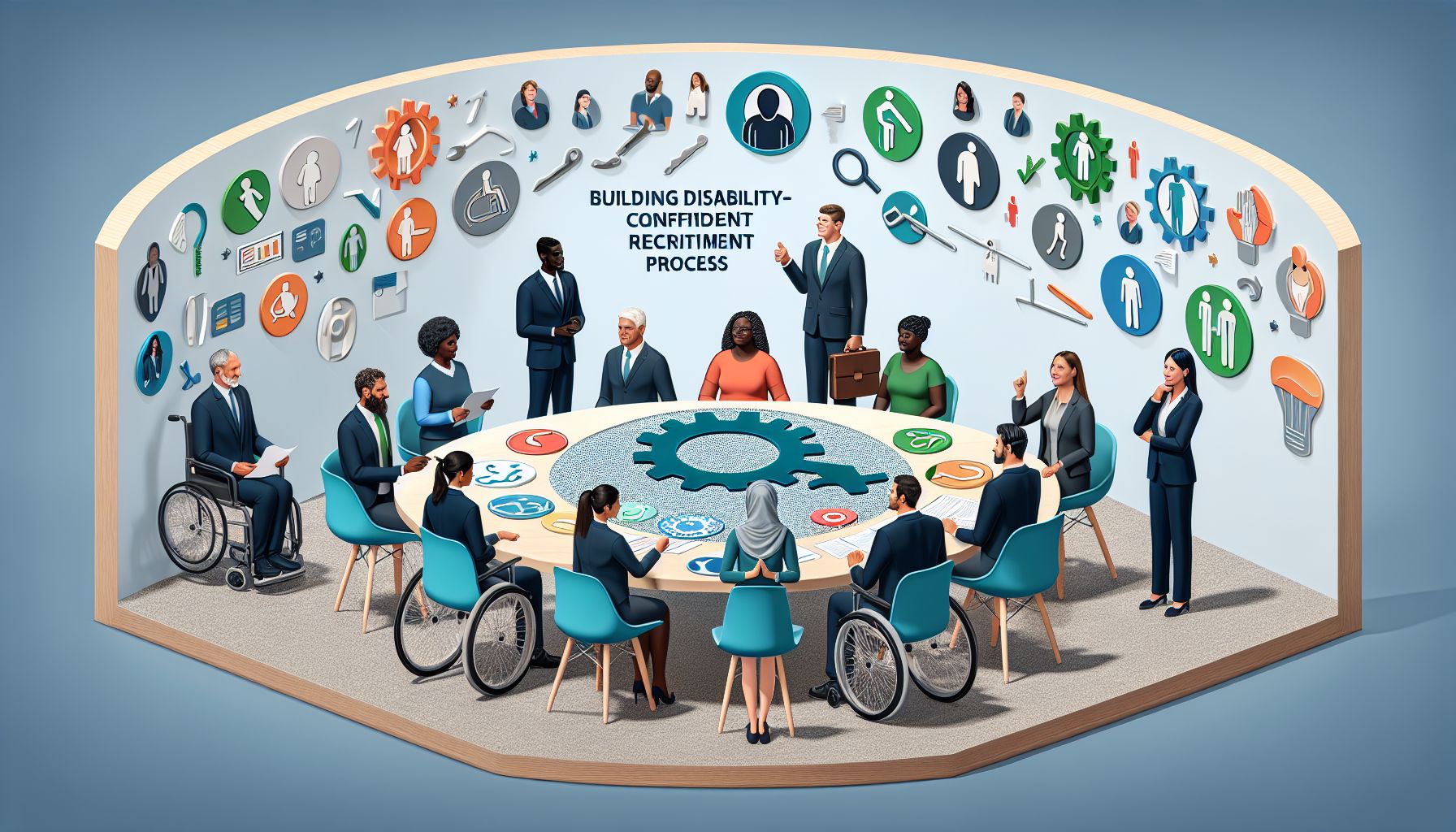
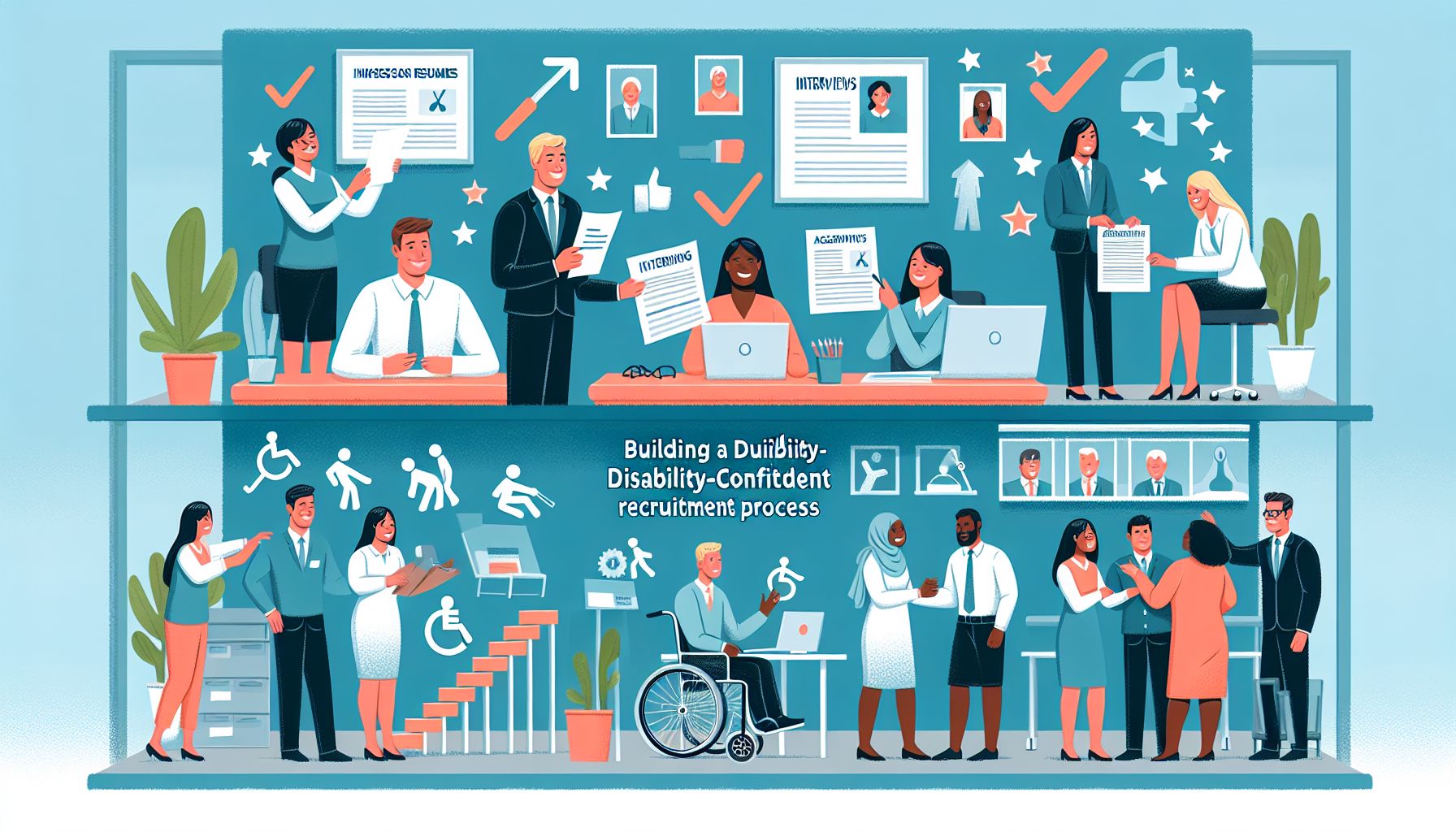
Creating an inclusive recruitment process is crucial for companies that want to be disability-confident. By developing a recruitment strategy that accommodates candidates with disabilities, businesses can open doors to a wider talent pool. This article outlines the steps for building a disability-confident recruitment process.
Understand Disability Confidence
Disability confidence means having the knowledge and skills to create a welcoming environment for disabled candidates. It involves understanding the barriers they face and addressing those barriers throughout the recruitment process.
Evaluate Your Current Recruitment Practices
The first step is to evaluate existing recruitment practices. Identify which steps may unintentionally exclude candidates with disabilities. Analyze job descriptions, application processes, and interview formats. Use feedback from current employees and past candidates to identify issues.
Use Clear Language in Job Descriptions
Select clear and direct language when writing job descriptions. Avoid jargon and complex phrases. Highlight essential functions of the role clearly. Include information about the support available for disabled candidates. For instance, state if you provide assistive technology or reasonable accommodations.
Promote Accessibility in Job Advertisements
Ensure that job advertisements are accessible. Use multiple platforms for posting jobs, including websites focused on disability employment. Consider contacting organizations that assist disabled job seekers. Share job postings on social media platforms that focus on disability awareness.
Implement Accessible Application Processes
Make the application process accessible. Allow candidates to apply in various formats. For example, accept applications via audio or video submissions, in addition to written formats. Clearly state the options available for submitting an application on your job postings.
Train Your Recruitment Team
Ensure that your recruitment team is trained to recognize and eliminate bias. Provide training on disability awareness and inclusion. Teach team members how to accommodate candidates with disabilities during interviews. Emphasize the importance of asking candidates how they prefer to communicate or if they need assistance.
Use Inclusive Interview Techniques
When interviewing candidates, create a welcoming atmosphere. Allow candidates to ask questions about accessibility. Offer alternative interview formats, such as video calls or informal meetings. Respect candidates’ needs for breaks or additional time during the interview.
Example of Accommodating Interviews
One company implemented a policy to provide interview candidates with a checklist of potential accommodations. This allowed candidates to select what they needed without feeling awkward or uncomfortable. This simple practice made candidates feel more at ease and showed that the company cared about their needs.
Create a Supportive Onboarding Process
Hiring is only the first step. Develop a comprehensive onboarding process. Ensure new hires understand the resources and support available to them. Assign a buddy or mentor to help them adjust. Regular check-ins can also help gauge their comfort level in the new environment.
Foster an Inclusive Company Culture
Building a disability-confident recruitment process is part of fostering an inclusive company culture. Encourage open conversations about disability issues. Promote events that celebrate diversity within the workplace. Recognition of awareness days can also create a more inclusive atmosphere.
Collect and Analyze Data
Track diversity metrics to evaluate the effectiveness of your recruitment practices. Collect data on the number of applicants with disabilities, interviewees, and hires. Use this information to assess your progress and make improvements. Regular data analysis can help identify trends and areas for growth.
Partner with Disability Organizations
Collaborate with organizations focused on disability employment. These partnerships can provide resources and connect you with potential candidates. They can also offer insights into best practices and industry standards.
Some reputable organizations include:
These resources can help improve your understanding and strategies for disability inclusion.
Promote Evidence-Based Inclusion Strategies
Implementing evidence-based strategies can enhance your recruitment practices. Techniques backed by research can ensure you’re creating a genuinely inclusive environment. For insights, refer to this article on evidence-based inclusion strategies.
Address Barriers Beyond Recruitment
Understand that many barriers persist after hiring. Workspace accessibility and ongoing support are crucial. Evaluate workplace modifications that promote inclusivity. Examples include online tools for communication or ergonomic workspaces.
Celebrate Successes and Share Stories
Once you implement changes, celebrate your success. Share stories of employees who have benefited from an inclusive environment. Highlighting their achievements can inspire others and show the value of diversity in your organization.
Conclusion
Building disability-confident recruitment processes takes effort and commitment. Start with an evaluation of your current practices. Ensure clear communication throughout. Train your team to be inclusive and supportive. Use partnerships and data to guide your efforts. Create an inclusive environment and celebrate the diversity that comes from supporting candidates with disabilities.
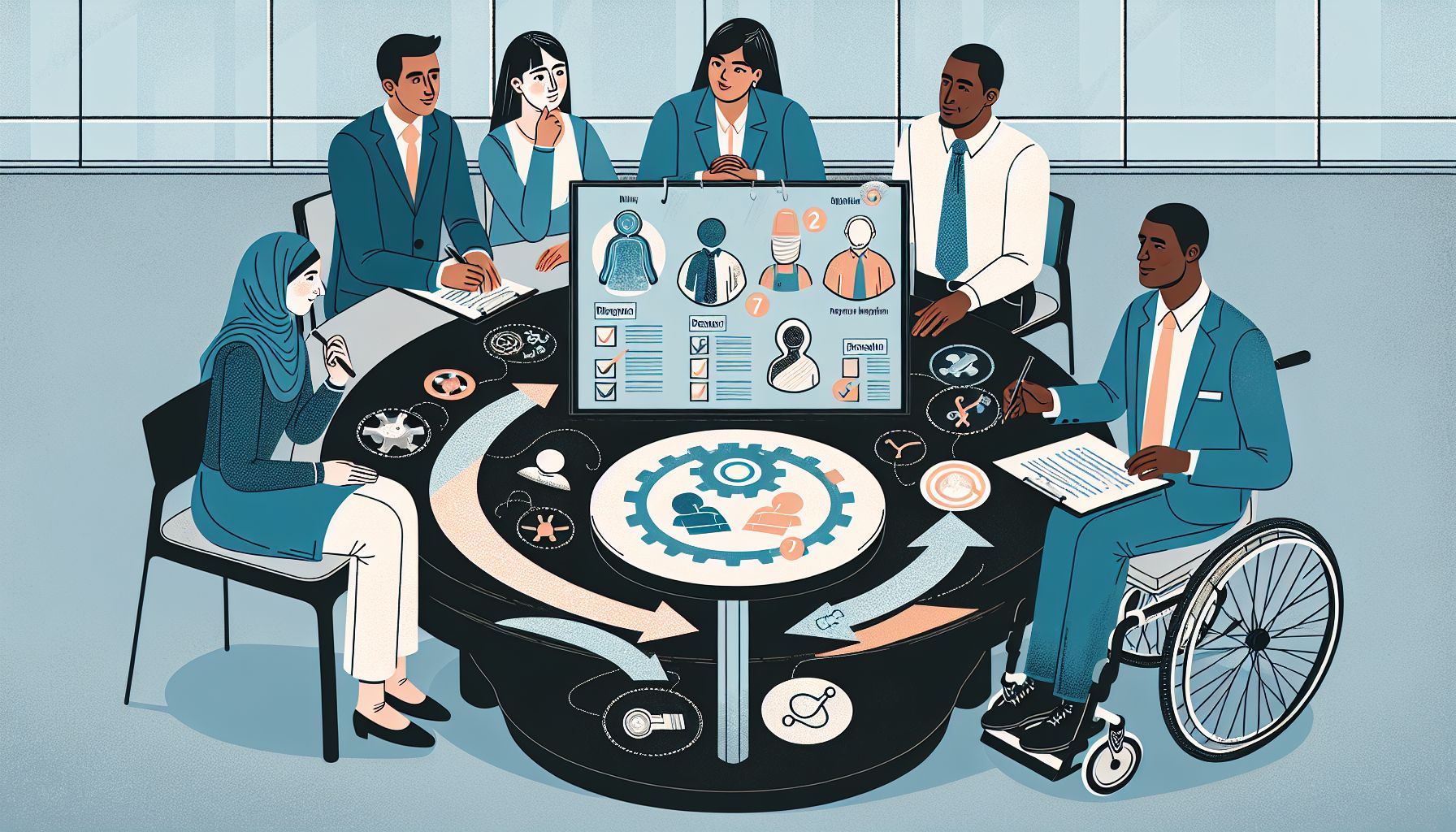
A disability-confident recruitment process enhances your organization and provides opportunities for all. By embracing this practice, you contribute to a more inclusive workforce and community. Together, we can create workplaces that recognize and celebrate diversity.