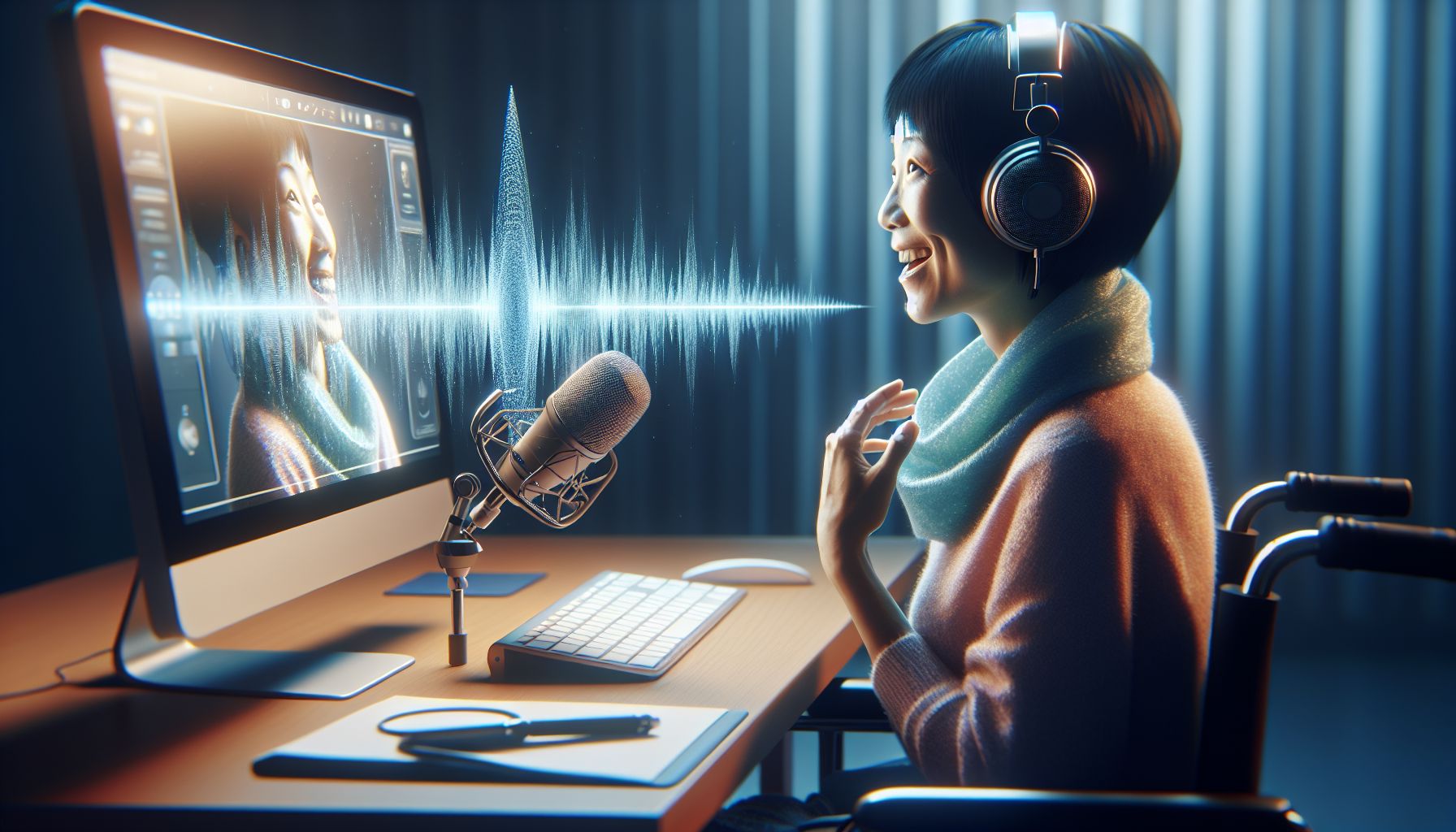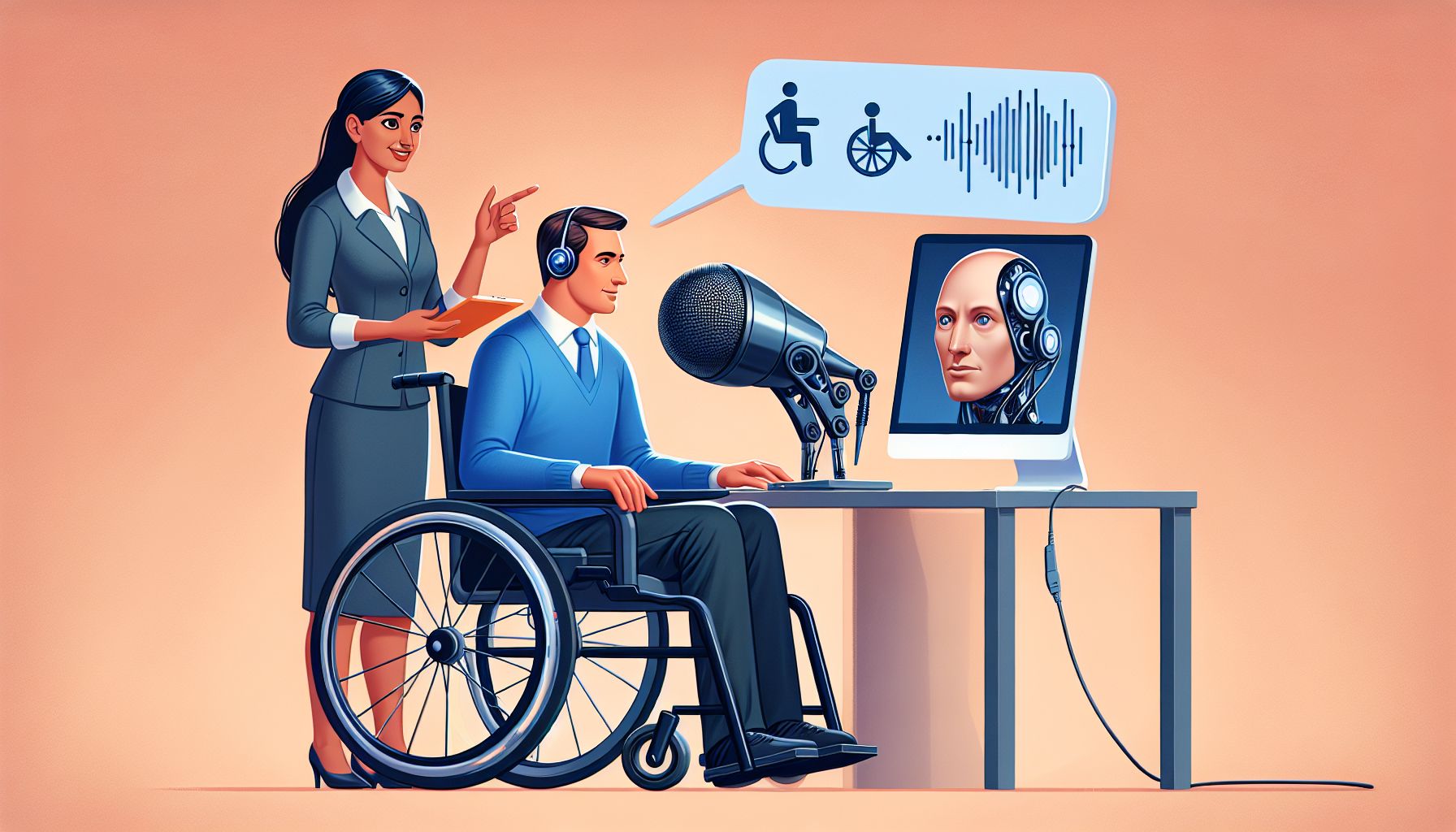
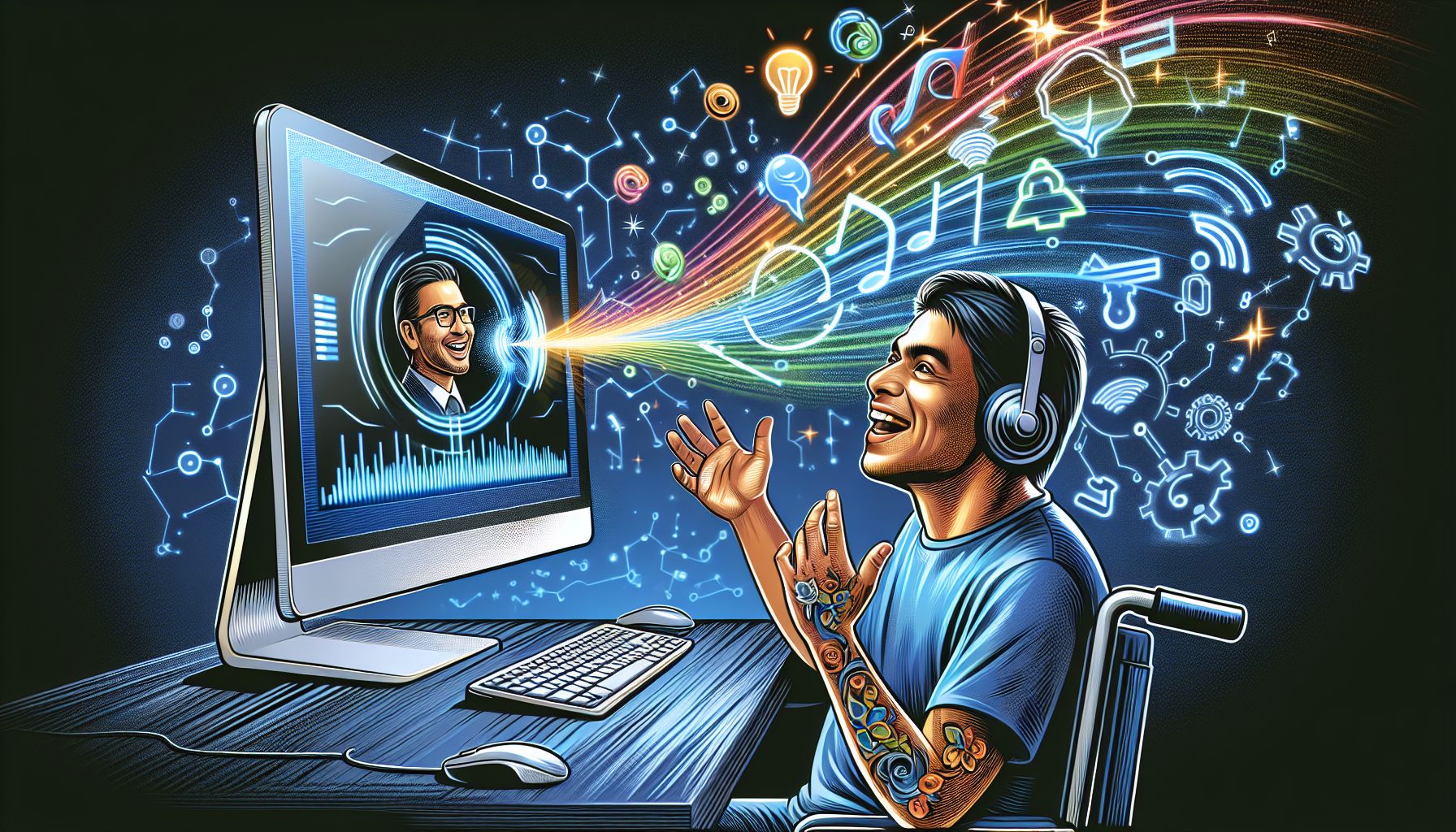
Voice recognition software has changed how people with motor disabilities interact with technology. This technology allows users to control devices and applications through their voice. By using simple commands, individuals can communicate, operate their computers, or access information without needing physical interaction.
What is Voice Recognition Software?
Voice recognition software translates spoken language into text. It uses algorithms to convert speech into commands for devices. The software works by recognizing sound waves and associating them with words and phrases.
How it Works
- Sound Capture: The microphone captures sound waves when a person speaks.
- Sound Processing: The software processes these sound waves and breaks them down into recognizable components.
- Pattern Recognition: The software matches these components with stored language patterns.
- Execution: Finally, the software executes the command or converts the speech into text.
This process allows individuals to make phone calls, reply to messages, and even write documents through their voice.
Benefits for Individuals with Motor Disabilities
Voice recognition software offers significant benefits for people with motor disabilities. Here are some key advantages:
Independence
Many individuals with motor disabilities face challenges in completing everyday tasks. Voice recognition software provides an opportunity for independence. They can manage tasks like sending emails or browsing the web using voice commands. This technology allows users to engage in activities without relying heavily on others.
Accessibility
Voice recognition improves accessibility for individuals with various disabilities. It allows them to interact with technology in a way that might otherwise be impossible. For instance, users can dictate text to their computers, control smart home devices, and access information more easily.
Increased Productivity
Voice recognition can enhance productivity levels. Users can complete tasks quicker and more efficiently. Instead of typing or using a mouse, they can issue voice commands. This efficiency saves time and energy, enabling users to focus on other important activities.
Emotional Benefits
Gaining independence can improve self-esteem and morale. When individuals can perform tasks on their own, they feel a sense of accomplishment. The use of voice recognition technology can lead to increased confidence and overall well-being.
Challenges of Voice Recognition Software
While voice recognition software offers numerous advantages, it also has challenges. Users should consider these factors:
Accuracy Issues
Voice recognition software may struggle with accents or pronunciation. Some programs may not accurately capture words if the speech is unclear. Users may need to repeat commands, which can be frustrating. Testing different software options may help find one that suits individual needs.
Background Noise
Ambient noise can interfere with voice recognition. Sounds from the environment may disrupt the software’s ability to understand commands. Using the software in quiet settings can improve performance. Users should look for software that has background noise cancellation features.
Learning Curve
Some individuals may find voice recognition software challenging to learn. Users may need time to adapt to issuing voice commands. Tutorials and practice sessions can aid in the learning process. Support from family or friends can also facilitate smoother transitions.
Popular Voice Recognition Software
Several voice recognition software programs are available. Each option has unique features and capabilities. Here are some popular choices:
Dragon NaturallySpeaking
Dragon NaturallySpeaking is one of the most widely used voice recognition programs. It offers high accuracy and extensive features. Users can dictate text, control applications, and navigate the web. It supports numerous languages and dialects, making it versatile for various users.
Windows Speech Recognition
Windows Speech Recognition comes pre-installed on Windows devices. It allows users to control their computers using voice commands. Users can also dictate text and perform navigation tasks. This software is convenient for anyone with a Windows device.
Google Voice Assistant
Google Voice Assistant is a voice-activated digital assistant. It allows users to perform tasks using voice commands. Users can ask questions, control smart devices, and send messages. This assistant is accessible on smartphones and smart home devices.
Apple Siri
Apple Siri is another popular voice recognition tool available on Apple devices. Users can issue voice commands to send messages, set reminders, and control smart devices. Siri is user-friendly and integrates well with the Apple ecosystem.
Real-Life Examples of Impact
Many people with motor disabilities have experienced the positive effects of voice recognition software in their daily lives. Here are a few examples:
Success Story: John
John is a writer with limited mobility. He struggled to type due to his condition. After using Dragon NaturallySpeaking, he learned to dictate his articles. Now, he writes effectively and publishes content online. John enjoys greater independence and fulfillment in his work.
Success Story: Sarah
Sarah is a university student with a motor disability. Using Windows Speech Recognition, she manages her classwork. She takes notes and participates in discussions using voice commands. This technology allows her to excel in her studies and participate fully in lectures.
Future of Voice Recognition Software
The future of voice recognition software is promising. Advancements in artificial intelligence (AI) and machine learning (ML) will enhance accuracy. Developers are working to create more responsive systems that understand a diverse range of speech patterns and accents.
Integration with Other Technologies
Voice recognition software will integrate with more devices and platforms. Smart home technology will become increasingly interconnected. Users will be able to control appliances, lights, and more using simple voice commands.
Enhanced Features
Future voice recognition software will likely include more custom functions. Users may have personalized commands tailored to their specific needs. This customization will make the technology even more user-friendly.
A Focus on Accessibility
As awareness increases, developers aim to improve accessibility features. More companies will focus on meeting the needs of individuals with disabilities. This shift will promote inclusivity in technology.
Conclusion
Voice recognition software has transformed the lives of individuals with motor disabilities. It enables independence and accessibility, leading to increased productivity and emotional well-being. Despite facing challenges, the benefits often outweigh the drawbacks. As technology continues to evolve, voice recognition software will only become more accessible and effective.
For employers, creating a disability-inclusive workplace is essential. Consider implementing the 10 proven inclusion steps. These strategies foster a supportive environment for individuals with motor disabilities and enhance overall workplace diversity.
For more information on disability inclusion, visit Disability Talent.
Explore more about voice recognition technology on IBM and Microsoft.