Mental health accommodations make a big difference in people’s lives. They help individuals function better at work or school while managing their mental health. Here, we will look at effective accommodations, their pros and cons, and examples of how they work.
Flexible Work Hours
Flexible work hours allow employees to adjust their schedules. They can start and end their workdays at times that suit their mental health needs.
Pros:
- Reduces stress by allowing staff to work when they feel most productive.
- Helps with medical appointments or therapy sessions without affecting work.
Cons:
- Some teams may struggle to coordinate schedules.
- It may require trust and clear communication to implement effectively.
Example:
A company offered flexible hours to a team member with anxiety. This employee could come in later each day, which reduced their morning stress and improved overall productivity.
Remote Work Options
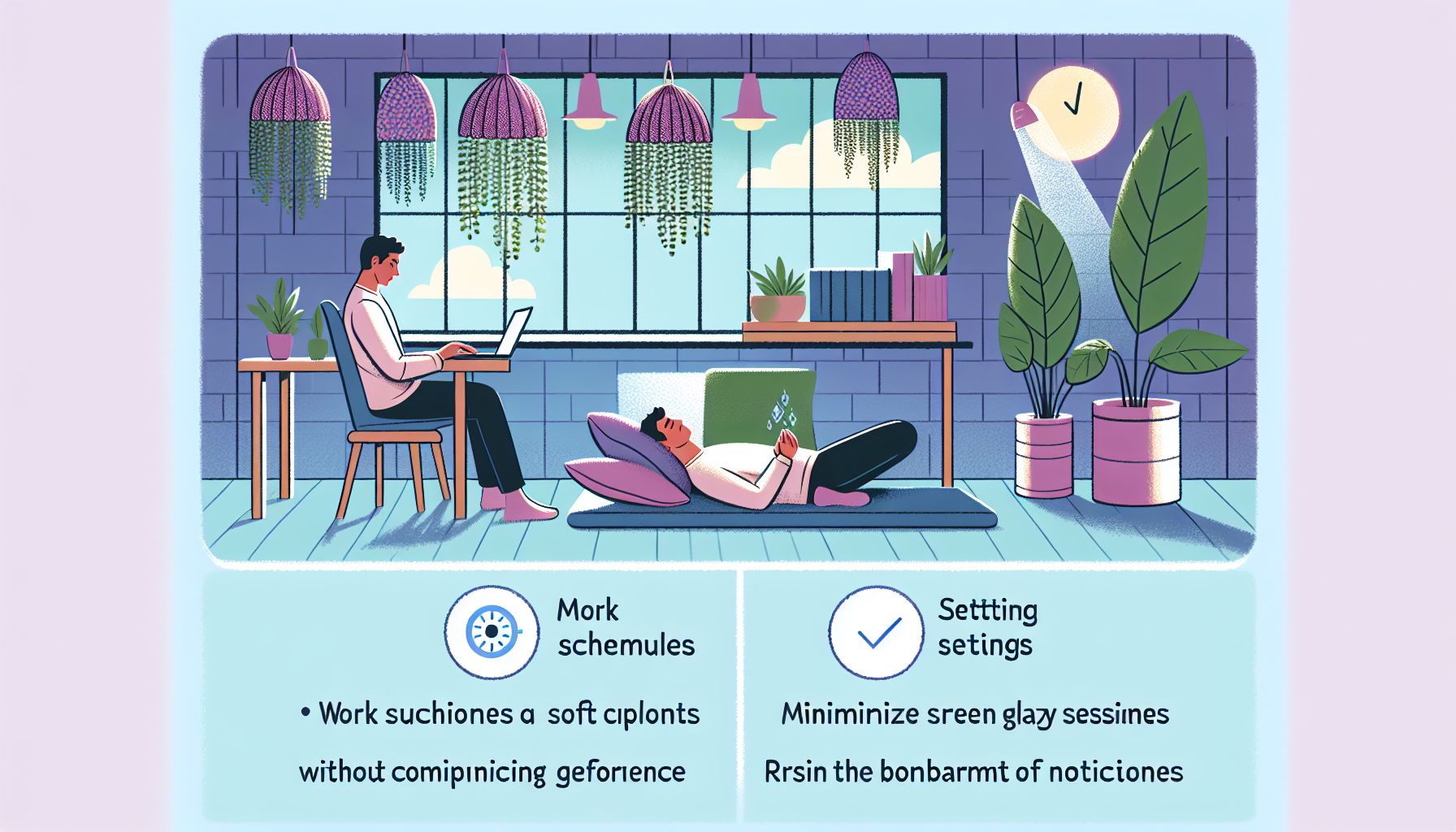
Remote work lets individuals work from home or any location they choose. This option can lessen anxiety linked to commuting or social interactions.
Pros:
- Provides a comfortable workspace.
- Reduces exposure to potential stressors found in a traditional office.
Cons:
- Some employees may feel isolated from their team.
- It may be difficult to maintain a work-life balance.
Example:
A worker with depression thrived in a remote role. They could create a calming environment at home, which positively impacted their mental health.
Quiet Spaces
Quiet spaces in the workplace allow employees to take breaks from noise and distractions. These areas encourage calming activities like meditation or relaxation.
Pros:
- Offers a refuge for employees during overwhelming moments.
- Increases focus and productivity when they return to work.
Cons:
- May require space and resources to set up effectively.
- Some employees may not use the space due to social pressures.
Example:
A company created a small meditation room. Employees reported better focus and lower stress levels after spending a few minutes in the quiet space.
Mental Health Days
Policies that allow for mental health days give employees time off when needed. This approach helps people recharge without stigma.
Pros:
- Validates mental health as equally important as physical health.
- Encourages employees to prioritize well-being.
Cons:
- Some may misuse the policy.
- Others may worry about workload and falling behind.
Example:
An organization implemented a policy for mental health days. Employees felt more comfortable taking the time they needed, resulting in improved morale.
Training and Awareness Programs
Training programs for staff increase awareness of mental health issues. They can foster a supportive workplace culture.
Pros:
- Reduces stigma around mental health.
- Encourages open conversations among employees.
Cons:
- Requires time and resources to implement effectively.
- May face resistance from some team members.
Example:
A company launched mental health workshops for its employees. Feedback showed improved understanding and support among coworkers.
Job Restructuring
Sometimes, adjusting an employee’s job responsibilities can support their mental health. This might mean reducing high-pressure tasks or allowing for more manageable workloads.
Pros:
- Prevents burnout and encourages engagement.
- Tailors work to individual strengths.
Cons:
- May require changes in team dynamics.
- Other staff may take on extra responsibilities.
Example:
An employee with bipolar disorder received a new role focusing on their strengths. This change led to increased job satisfaction and performance.
Employee Support Programs
Support programs offer resources like counseling and mental health services. They connect employees with professionals who can help.
Pros:
- Provides immediate support for those in need.
- Encourages employees to seek help without fear.
Cons:
- Some employees may not utilize available resources.
- Programs may need regular updates to stay relevant.
Example:
A workplace introduced an employee assistance program (EAP). Employees reported high satisfaction with the support services provided.
Creating a Positive Work Environment
A positive work environment encourages employee engagement. It fosters relationships among coworkers and supports mental health.
Pros:
- Builds strong teams that support each other.
- Reduces feelings of isolation.
Cons:
- May take time to build a positive culture.
- Requires ongoing effort from everyone in the organization.
Example:
An organization focused on team-building activities and regular check-ins. Employees felt more connected, contributing to a happier work environment.
Conclusion
Mental health accommodations can significantly benefit both employers and employees. Flexibility and support create a better workplace and improve mental well-being. By implementing effective accommodations, businesses can foster an environment that values mental health.
For more guidance on creating a supportive work atmosphere, explore resources on mental health funding and employer’s obligations. Check out this website for additional information.
For best practices on disability inclusion, take a look at the article on disability inclusion best practices.