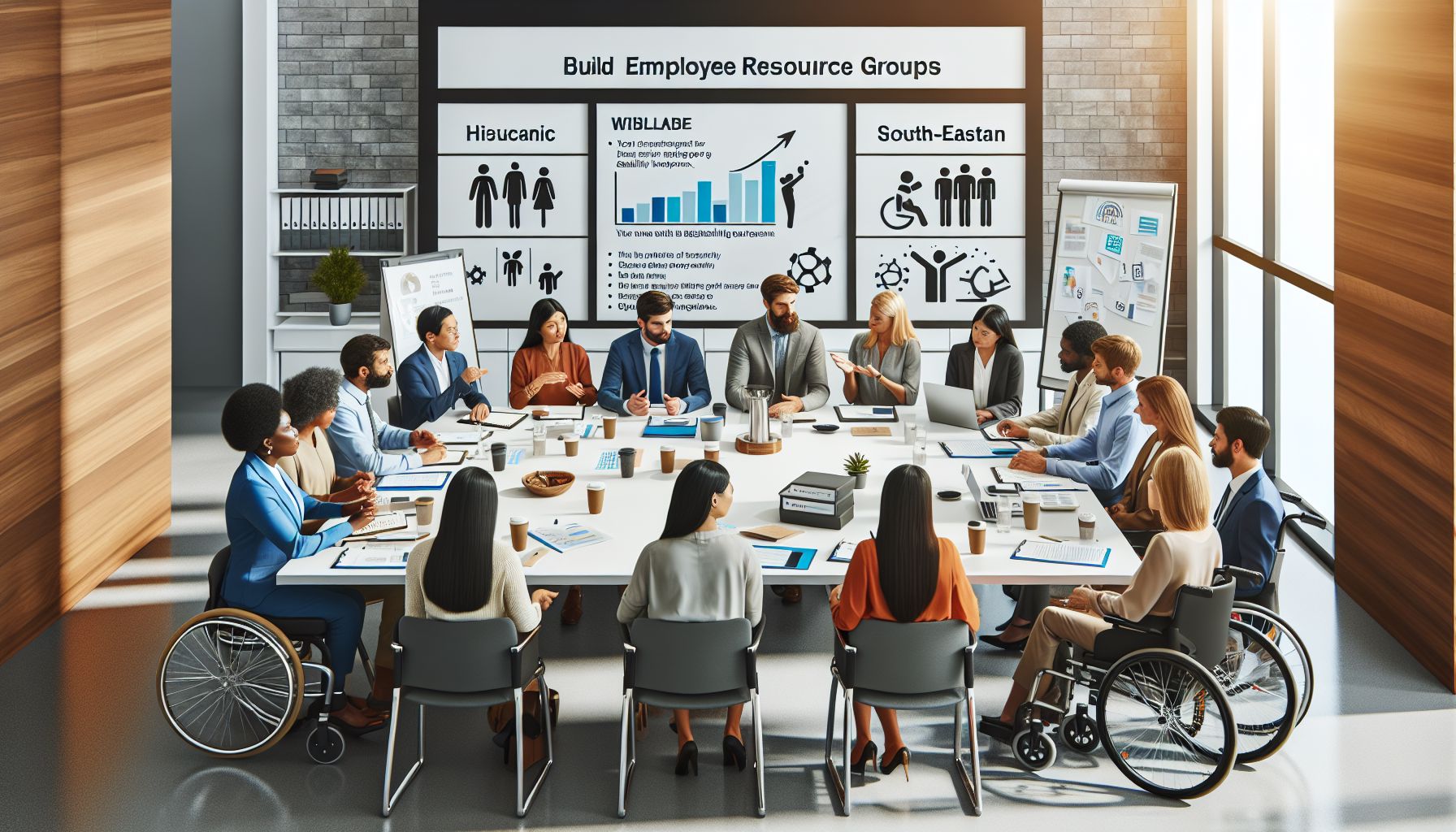
Employee Resource Groups (ERGs) foster a sense of community and support within organizations. They allow employees with shared experiences and identities to come together and provide valuable insights to their employers. Building ERGs for disability inclusion can significantly enhance workplace culture, morale, and productivity. This article explores the steps to establish these groups effectively.
Understanding the Need for Disability Inclusion
Disability inclusion is important for creating equitable workplaces. According to the U.S. Census Bureau, over 61 million adults in the United States live with a disability. This number represents a significant segment of the workforce. Many employees do not disclose disabilities due to fear of stigma or lack of support. ERGs can help change this perception by promoting awareness and advocacy within the organization.
Steps to Build Disability Inclusion ERGs
1. Identify Goals
Begin by defining the purpose of the ERG. Goals may include raising awareness, providing support, and improving workplace policies. Clear objectives provide direction and help assess the group’s success.
2. Gain Executive Support
Secure backing from company leadership. This gives the ERG credibility and resources. Leadership support encourages participation and signals the company’s commitment to inclusion.
3. Recruit Members
Invite employees to join the ERG through emails, meetings, or company newsletters. Highlight the benefits of joining, such as networking opportunities, professional development, and community support. Ensure that participation is open to all employees, not just those with disabilities.
4. Establish Leadership
Select a leadership team for the ERG. This team should represent diverse perspectives and experiences. Leaders should be passionate about disability inclusion and willing to advocate for change within the organization.
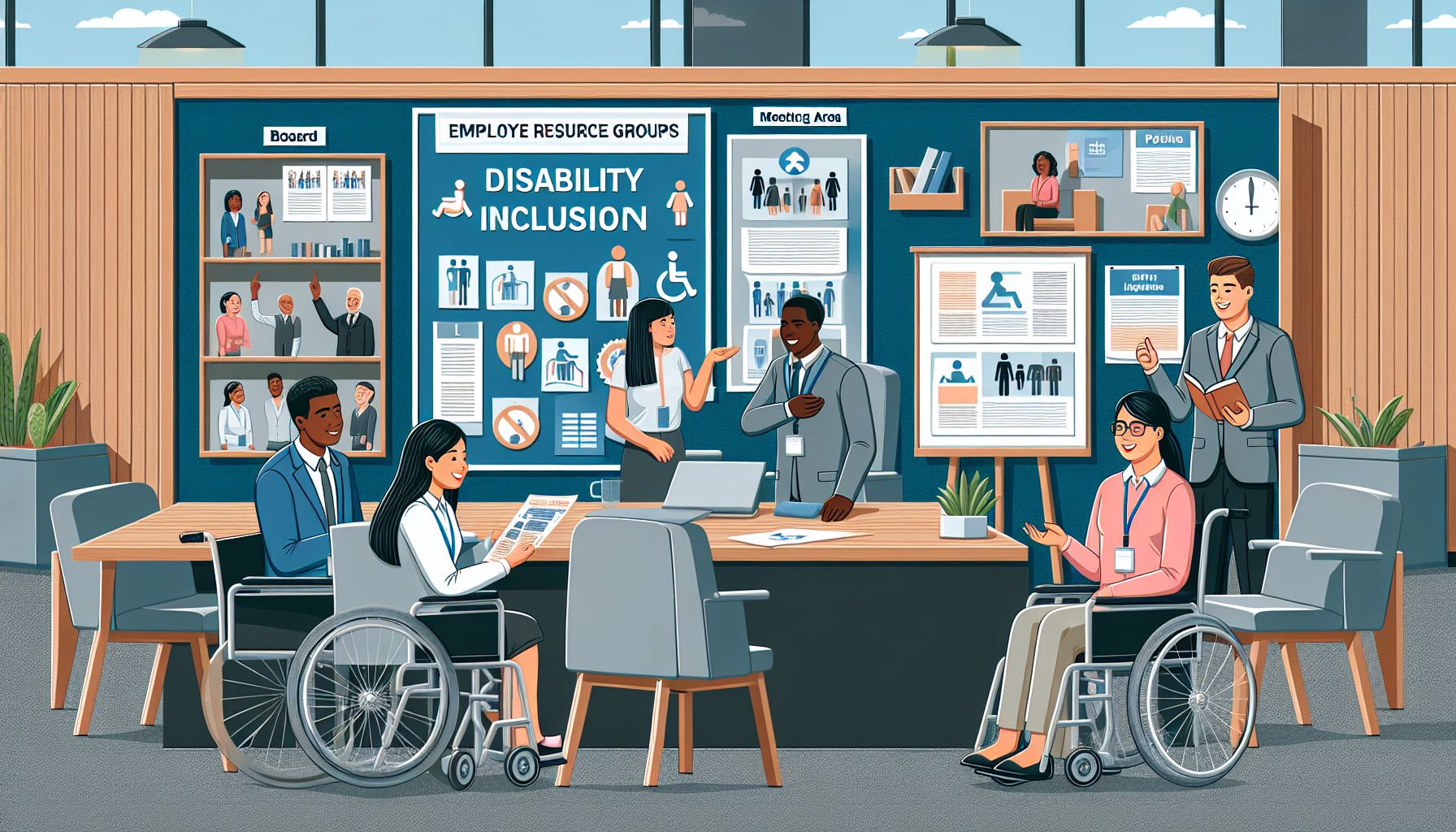
5. Plan Activities
Organize events and activities that promote awareness and education. Consider workshops, guest speakers, panel discussions, and social events. Activities should encourage participation and spark conversations about disability-related issues.
6. Foster a Supportive Environment
Create an environment where employees feel safe to share their experiences. Encourage open discussions and active listening. This promotes trust within the group and helps employees feel valued.
7. Collaborate with Other ERGs
Partner with other ERGs within the organization. Collaboration can broaden the reach and impact of disability inclusion efforts. Joint events can facilitate learning and strengthen networks among employees.
8. Advocate for Policy Changes
Use insights from ERG discussions to inform company policies. Advocate for inclusive workplace policies that promote accessibility, reasonable accommodations, and diversity in hiring. The ERG can serve as a voice for employees with disabilities.
For more information on implementing inclusive workplace policies, visit inclusive workplace policies.
Benefits of ERGs for Disability Inclusion
1. Enhanced Employee Engagement
Disability inclusion ERGs promote engagement by giving employees a platform to discuss challenges and share solutions. When employees feel heard, their job satisfaction and commitment to the organization increase.
2. Innovative Ideas
Diverse groups encourage creativity and innovation. ERGs can generate new ideas and solutions that benefit the entire organization. The unique perspectives of employees with disabilities can lead to improved products and services.
3. Improved Recruitment and Retention
Organizations that actively support disability inclusion attract a diverse talent pool. Employees are more likely to stay with an inclusive employer. ERGs can emphasize retention by creating a welcoming atmosphere.
4. Positive Company Reputation
Fostering an inclusive workplace enhances an organization’s reputation. Companies known for their commitment to diversity and inclusion attract customers and clients who value these principles. This can lead to increased business opportunities.
5. Better Collaboration and Teamwork
ERGs promote collaboration among employees from different backgrounds. This cross-functional cooperation can lead to enhanced teamwork and a more cohesive company culture.
Challenges and Solutions
Challenge: Fear of Disclosure
Employees may fear disclosing disabilities due to stigma. Build trust by ensuring confidentiality and promoting a culture of acceptance. Highlighting success stories of employees can encourage others to share.
Challenge: Limited Resources
ERGs may lack funding or resources. Seek support from leadership to secure necessary resources. Consider partnering with local organizations or nonprofits for additional training and outreach opportunities.
Challenge: Maintaining Engagement
Keeping members engaged can be difficult. Regular communication helps. Share updates and encourage members to participate in planning. Try varying activities to meet different interests and needs.
Real-World Examples of Successful ERGs
A Tech Company
A well-known tech company launched an ERG for employees with disabilities. The group focused on advocating for accessible technology solutions. They hosted workshops that educated all employees about disabilities and created a mentorship program for employees with disabilities. This resulted in improved product designs, benefiting both customers and employees.
A Financial Institution
A leading financial institution established an ERG focused on disability inclusion. The group partnered with human resources to review hiring practices. They highlighted the benefits of diverse hiring to leadership. As a result, the institution improved its recruitment strategies, resulting in more diverse applicants.
Conclusion
Building Employee Resource Groups for disability inclusion is beneficial for employees and the organization as a whole. These groups foster understanding, support, and advocacy. They create spaces for open discussions around disability. Organizations that prioritize such initiatives enhance their culture and attract diverse talent.
Implementing ERGs requires commitment from leaders and employees alike. By following the steps outlined above, organizations can create a more inclusive environment for all employees. This active approach not only supports individuals with disabilities but also enriches the workplace culture for everyone.
For more information on promoting workplace diversity, check out resources from the American Association of People with Disabilities or Disability:IN.